In short
EXIF stands for "Exchangeable Image File Format". The standard was first published in 1995 and is maintained today by the Japanese industry bodies JEITA and CIPA; the current version, 3.0, came out in May 2023 (Wikipedia: Exif). EXIF data is stored in JPEG and TIFF files, among others, and you can't see it in the picture itself. Typical fields include:
- Date and time the photo was taken
- Camera or phone model
- Exposure settings such as aperture, shutter speed, focal length and ISO
- Pixel dimensions and a small thumbnail
- GPS coordinates, if the camera has access to your location
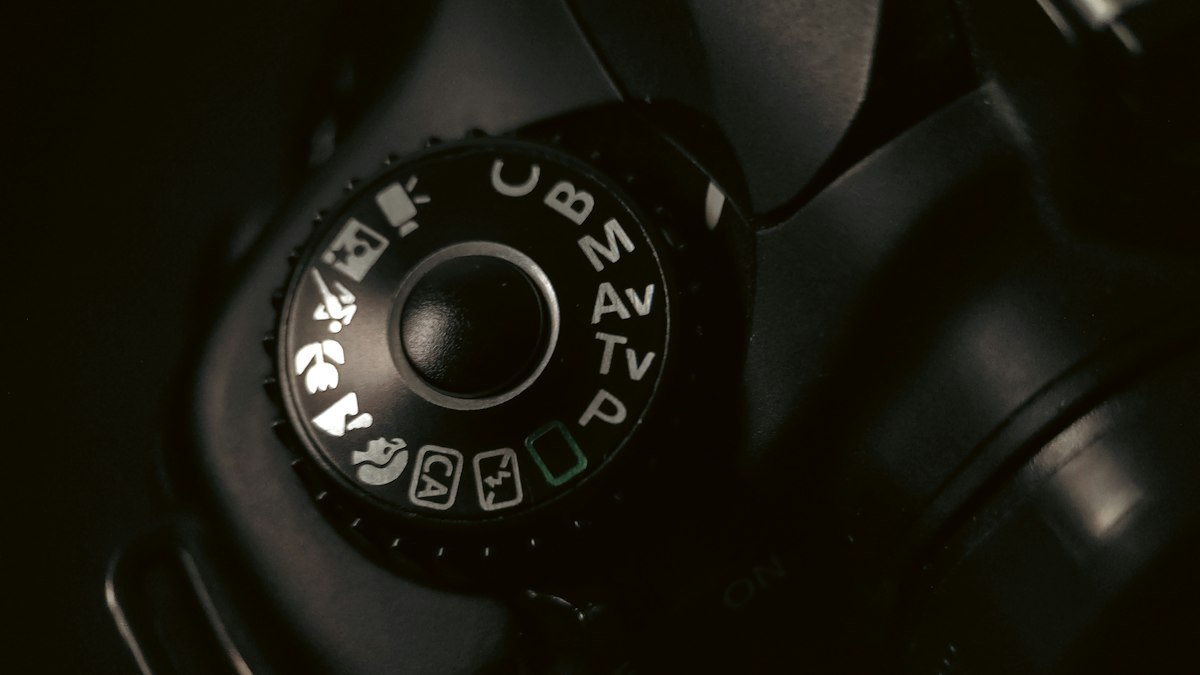 Photo: Indra Projects / Unsplash
Example
After a party, twenty guests upload their photos to a shared album. Thanks to the capture time stored in the EXIF data, every picture can be sorted chronologically, from the welcome drinks to the last dance. At the same time, a photo one guest took at home while getting ready might contain the exact location of their flat. Anyone who downloads the file could pick that up. How revealing location data can be was shown in a well-known case: GPS data in a photo gave away software entrepreneur John McAfee's whereabouts in Guatemala (Wikipedia: Exif).
What to watch out for
- Decide on location tagging: In your phone's camera or privacy settings you can choose whether photos get a location saved.
- Check before you publish: Many gallery apps show a photo's metadata, including the location, in its detail view.
- When editing and exporting: Some programs keep the EXIF data, others strip it. Check the result before you pass it on.
- The time isn't always right: If a camera's clock is set wrong, its photos end up in the wrong place when sorted.
- Metadata is data: Location and time can reveal things about people. For background on data protection see GDPR; this is a general explanation, not legal advice.
With Filmriss
According to its photo privacy page, Filmriss only asks for camera access, not microphone or location, and the FAQ says no location data is collected.