In short
Analog film contains light-sensitive silver halide crystals. Exposure and developing turn them into metallic silver, and those tiny particles are what you see as grain. The faster the film (the higher its ISO), the larger the crystals and the more visible the grain. Underexposure and big enlargements make it stronger too (Richard Photo Lab).
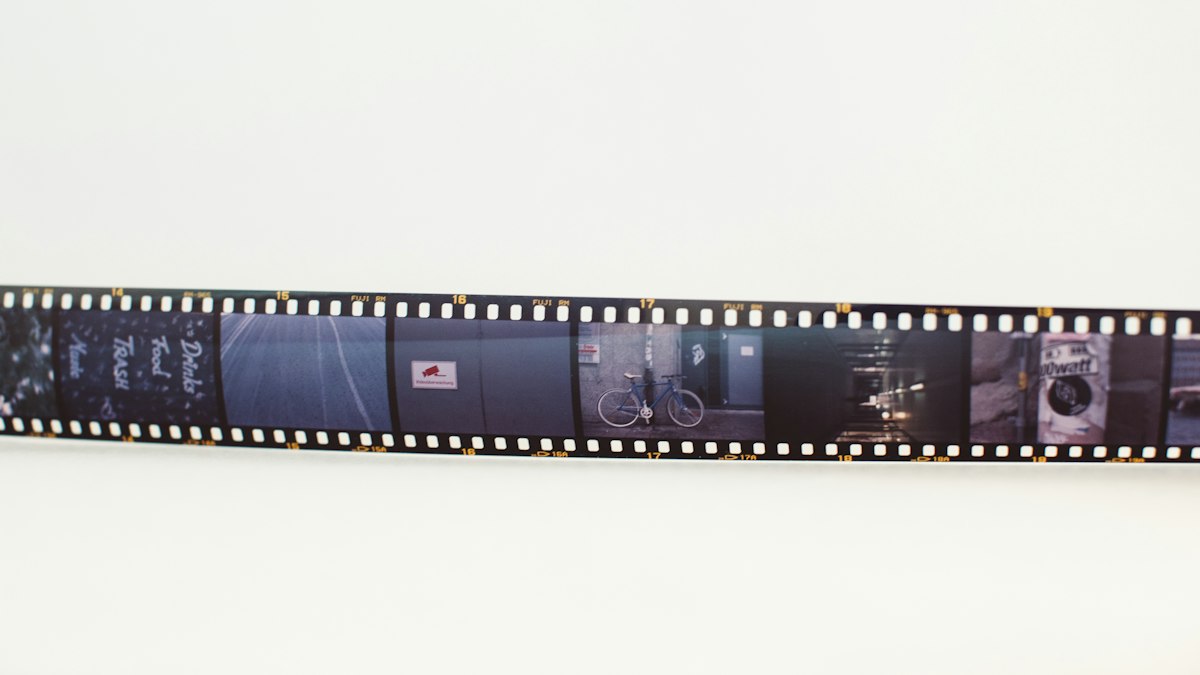 Photo: Markus Spiske / Unsplash
Example
The disposable camera shots from the dance floor look as if someone sprinkled fine sand over them, especially in the dark corners. No surprise: disposables have been loaded with ever faster film over the years, up to ISO 1600 in Fujifilm's QuickSnap range (Fujifilm QuickSnap history), and the higher the ISO, the coarser the grain. For many people, that's exactly the charm.
What to watch out for
Film grain isn't the same as pixelation in digital images: grain is scattered randomly, while pixels form a grid and lose detail. Phone photos have no film grain by nature; if you want the look, you have to add it afterwards with a filter. For better party pictures on a phone, our party photo tips are a more useful starting point. Filmriss keeps photos exactly as the phone camera took them, so there's no artificial grain.