Disposable Cameras at a Wedding: Real Costs, Downsides & Alternatives
What disposable cameras really cost at a wedding, with real UK and US camera and lab prices (as of October 2026), a cost table for 80 guests, an honest list of what film cameras do better, and the alternatives side by side.
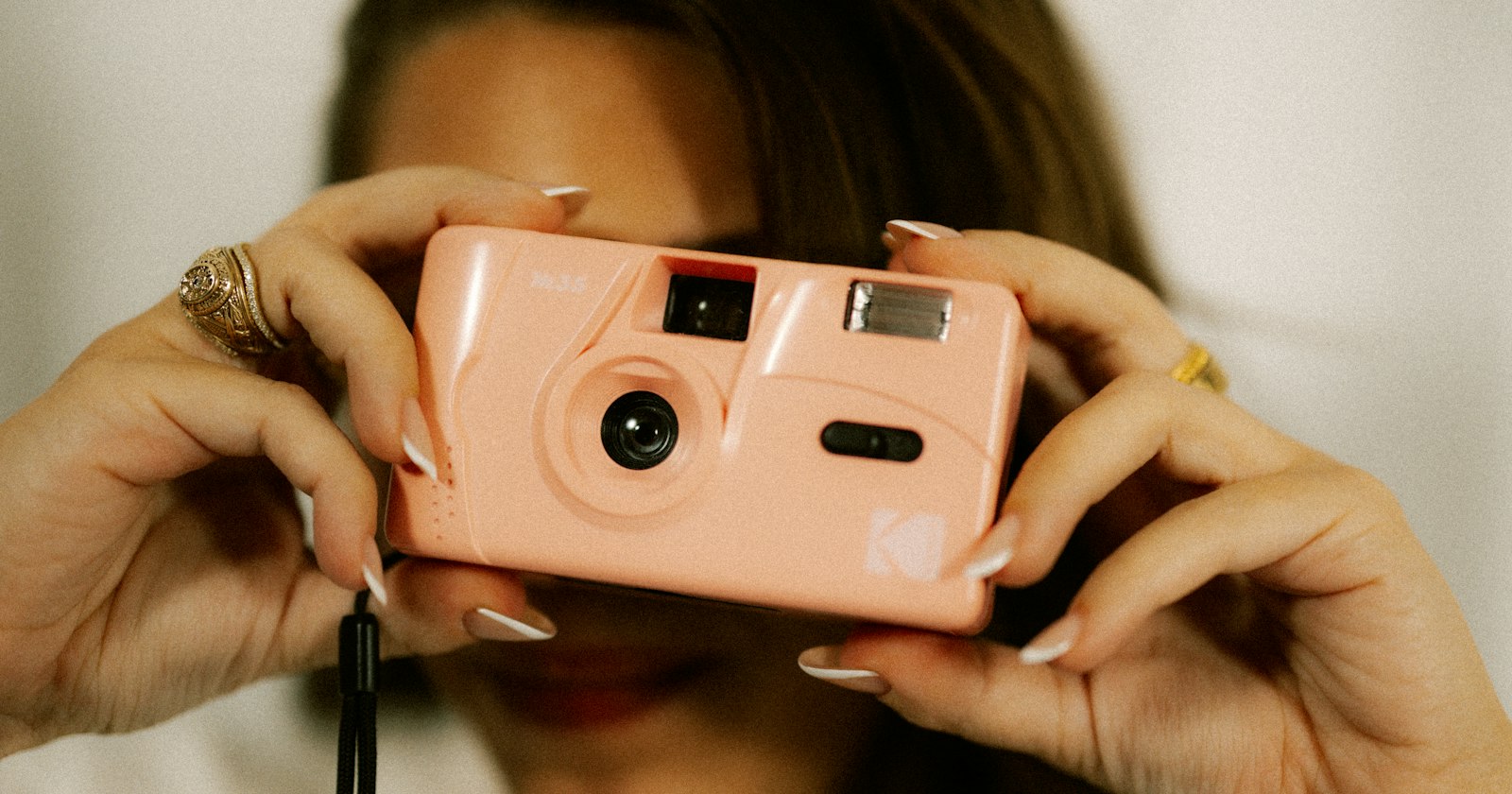
A disposable camera on every table is a wedding classic: guests capture the night from their side of the room, and weeks later you discover moments your photographer never saw. Before you order a box of them, though, it pays to look honestly at the bill – and at how many usable shots actually come back from the lab.
Below you will find real prices from UK and US retailers and labs (all checked on 5 October 2026), a cost table for 80 guests and a fair comparison with the alternatives. If you first want to know what an app-based version is, read What is a digital disposable camera?
How much do disposable cameras for a wedding cost?
The total has three parts: the camera, developing (with scans) and postage. Most guides only quote the camera price – but developing costs almost as much again.
Camera prices (as of October 2026)
| Camera | Shots | Price | Retailer |
|---|---|---|---|
| Fujifilm QuickSnap Flash | 27 | £16.99 | First Call Photographic (UK) |
| Kodak FunSaver 27+12 | 39 | £19.00 | Analogue Wonderland (UK) |
| Fujifilm QuickSnap Flash 400 | 27 | $18.99 | Glazer's Camera (US) |
Worth knowing: Glazer's limits this camera to 10 units per customer per 7 days, so ordering 20 for a big wedding may take planning.
Developing and scans (as of October 2026)
| Lab | What you get | Price per camera | Extras |
|---|---|---|---|
| Analogue Wonderland (UK) | Developing + standard scans (3637 × 2433 px) | £13.95 | Free tracked postage to the lab; negatives returned only on request, for a surcharge |
| The Darkroom (US) | Developing + scans, negatives returned | from $14 | $6.95 round-trip shipping for unlimited rolls |
Analogue Wonderland lists a turnaround of 14–15 working days for colour film (as of 1 October 2026).
What disposable cameras do better
Before the downsides, credit where it is due. Film cameras have real strengths that no app can copy:
- The look. Grain, harsh flash, slightly off colours – film looks different from a phone photo, and many couples love exactly that.
- Something to hold. A camera on the table is decor, a conversation starter and a toy in one, and it invites guests who would never pull out their own phone.
- No smartphone needed. Guests without a phone, battery or signal can still join in. At an “unplugged” wedding, film cameras actually fit the concept better.
- No tech hurdle. No QR code, no Wi-Fi, no browser – wind, click, done.
- Negatives as an archive. You get a physical original you can rescan or enlarge later.
- A real surprise. Nobody sees the shots before they are developed, and that wait is part of the charm.
The downsides of disposable cameras at a wedding
- High cost per photo. Camera plus developing works out at about £1.15 or $1.25 per possible shot with the prices above – and only if every frame is actually used.
- Lots of duds. Disposables have fixed focus and a weak flash; Glazer's lists a flash range of 10 feet for the QuickSnap. On a dark dance floor many shots come out too dark or blurry. One couple told PetaPixel that only 17 of 162 photos from six cameras were usable – one case, but not an unusual one.
- Forgotten cameras. Left on the tables, cameras are often overlooked – even The Knot warns about this. Half-used rolls still cost the full developing price.
- Admin after the party. Someone has to collect every camera, pack them, post them and later share the scans with guests. With a lab turnaround of 14–15 working days plus postage, it takes a while.
- Lost and broken cameras. A camera that ends up in a guest's handbag is gone, along with every photo on it.
- Guests see the photos late or never. The scans go to the couple. Sharing them means finding a digital route anyway – see how to share wedding photos with guests.
Alternatives to disposable cameras
Nearly every guest already carries an excellent camera. The real question is how those photos reach you. The common options:
- A WhatsApp group: free and familiar, but WhatsApp compresses images and the chat gets chaotic fast. See WhatsApp group vs. event camera.
- A shared album (Google Photos, iCloud): full quality is possible, but guests usually need an account or the right app. More in the shared album comparison.
- A photo booth: great for posed group shots with props, but it only covers one corner of the room. See photo booth or event camera.
- A digital disposable camera via QR code: guests scan a code and shoot in the browser, with limited shots and a delayed reveal. Our explainer What is a digital disposable camera? covers how it works and which apps exist.
- A mix: a handful of film cameras for the look (at the drinks reception or for grandparents) plus a digital option for everyone else.
For all seven ways compared on cost, effort and privacy, read how to collect photos from wedding guests. The head-to-head is on our page disposable camera or app?
Cost comparison for 80 guests
The Knot suggests one disposable camera per table of 8 to 10 people. For 80 guests that means 10 cameras; if you want more people shooting, put out 20 (one per four guests). Using the prices above, as of October 2026:
| Option | Cameras | Developing + scans | Shipping | Total | Max. photos | Per photo |
|---|---|---|---|---|---|---|
| UK: 10 × QuickSnap, Analogue Wonderland | £169.90 | £139.50 | free to lab | £309.40 | 270 | approx. £1.15 |
| UK: 20 × QuickSnap, Analogue Wonderland | £339.80 | £279.00 | free to lab | £618.80 | 540 | approx. £1.15 |
| US: 10 × QuickSnap, The Darkroom | $189.90 | from $140.00 | $6.95 round trip | from $336.85 | 270 | approx. $1.25 |
| US: 20 × QuickSnap, The Darkroom | $379.80 | from $280.00 | $6.95 round trip | from $666.75 | 540 | approx. $1.23 |
| Digital disposable camera (Filmriss) | – | – | – | free | set by the host | 0 |
Not included: the surcharge for returning negatives in the UK, and prints. “Max. photos” is a ceiling – as the PetaPixel example shows, the number of usable shots is often much lower.
Tip: print this page or take a screenshot to work through the table with your own guest count.
Verdict: are disposable cameras at a wedding worth it?
Yes – if the film look and the camera as an object matter more to you than the number of photos. Budget around £31 or $33 per camera including developing, and a few weeks of waiting.
If you would rather have as many photos as possible from every guest's point of view, in full quality and without collecting and posting anything, a digital disposable camera is the more practical choice. The feeling stays similar: limited shots, no preview, and a shared reveal the morning after. For ideas on getting guests snapping, see our wedding page and the wedding photo scavenger hunt. Skipping a professional altogether? Our guide to a wedding without a photographer shows how to still get great photos.
How many disposable cameras do I need for a wedding?
A common rule of thumb is one camera per table of 8 to 10 guests, so about 10 cameras for 80 guests. More cameras mean more photos, but also higher developing costs.
How much does it cost to develop a disposable camera?
At the labs we checked, developing with scans costs £13.95 at Analogue Wonderland in the UK and from $14 at The Darkroom in the US, plus shipping where it applies. Prices as of October 2026.
How long does it take to develop a disposable camera?
Analogue Wonderland lists 14 to 15 working days for colour film as of October 2026, plus postage time.
How many photos does a disposable camera take?
The Fujifilm QuickSnap takes 27 photos; the Kodak FunSaver 27+12 takes 39.
What is the cheapest alternative to disposable cameras at a wedding?
A digital disposable camera via QR code: guests use their own phones in the browser. Filmriss is free, limits shots per guest and reveals the photos to everyone the next morning.
Cover photo: Brooke Balentine / Unsplash